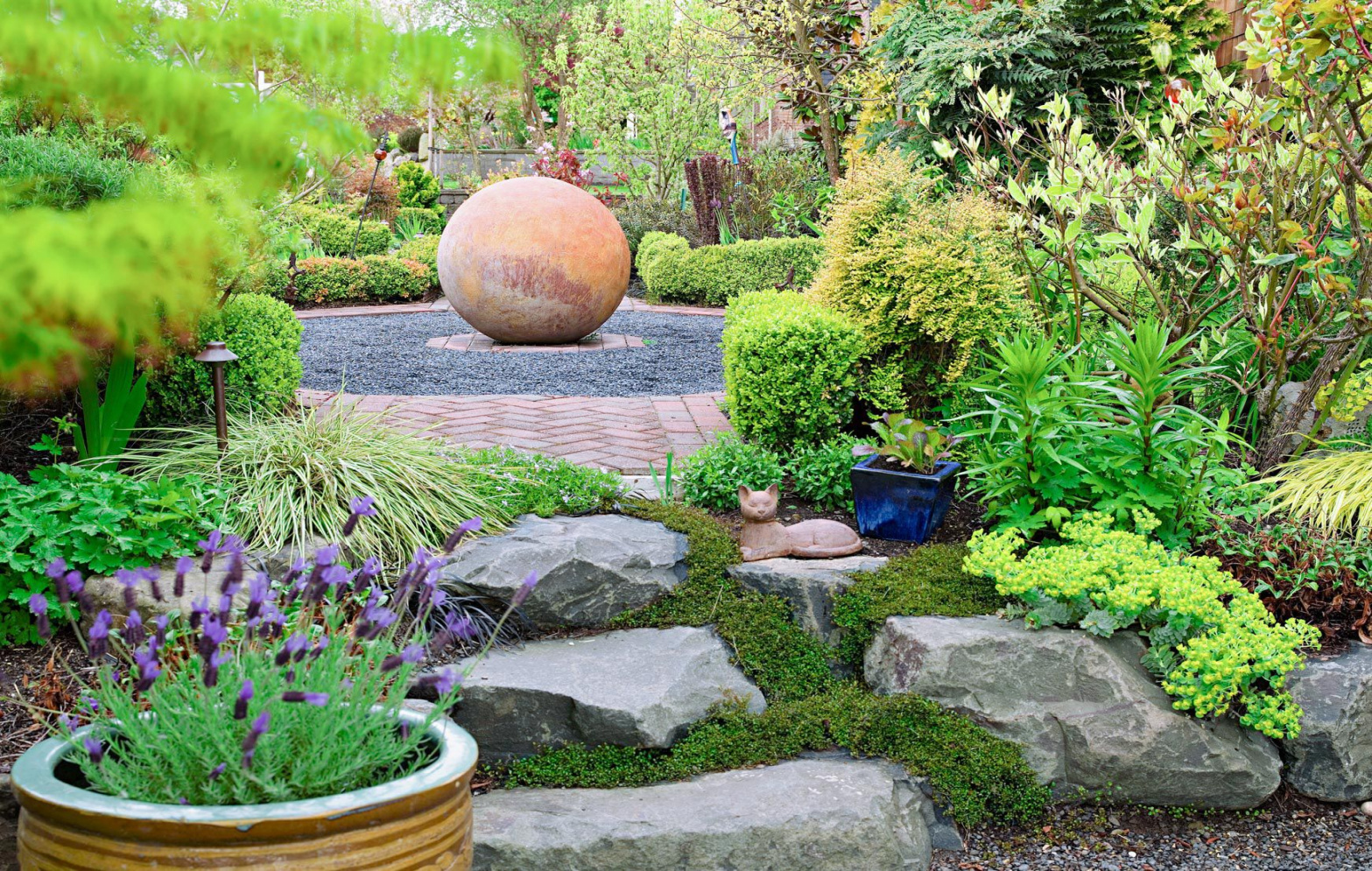
1. Greening Your Front Yard: Water-Saving Landscaping Ideas for a Sustainable Home
Transforming your front yard into a water-saving oasis not only benefits the environment but also adds beauty and charm to your home. With the increasing concern about water conservation, incorporating sustainable landscaping practices is a great way to make a positive impact while enhancing the curb appeal of your property. Here are some creative tips to help you green your front yard with water-saving landscaping ideas:
1. Embrace Native Plants: One of the most effective ways to reduce water consumption in your yard is to choose native plants that are well-adapted to your local climate and soil conditions. These plants require less water and maintenance compared to exotic species, making them a sustainable choice for your landscaping. Native grasses, wildflowers, and shrubs not only add color and texture to your yard but also attract beneficial wildlife such as birds and butterflies.
2. Install Drip Irrigation: Traditional sprinkler systems waste a significant amount of water through evaporation and runoff. Opting for a drip irrigation system delivers water directly to the roots of plants, minimizing water loss and promoting efficient watering. Drip irrigation can be easily customized to suit the specific needs of different plants in your yard, ensuring that each receives the right amount of water without excess waste.
3. Mulch for Moisture Retention: Mulching your flower beds and garden areas is a simple yet effective way to retain soil moisture, reduce evaporation, and suppress weed growth. Organic mulches such as wood chips, bark, or compost help regulate soil temperature and improve water infiltration, creating a healthier growing environment for your plants. In addition to conserving water, mulch also adds a decorative touch to your landscaping while reducing the need for regular watering.
4. Collect Rainwater: Harvesting rainwater is a sustainable practice that can supplement your irrigation needs and reduce reliance on municipal water sources. Installing a rain barrel or cistern allows you to capture and store rainwater from your roof for later use in watering your plants. Rainwater is free of chlorine and other chemicals found in tap water, making it a natural and eco-friendly alternative for keeping your garden hydrated during dry periods.
5. Xeriscaping for Water Efficiency: Xeriscaping is a landscaping approach that focuses on creating water-efficient and drought-tolerant gardens using native plants, rocks, and other low-water elements. By designing your front yard with xeriscape principles, you can minimize water usage, reduce maintenance requirements, and still achieve a beautiful and inviting outdoor space. Consider incorporating gravel pathways, succulent gardens, and rock features to create a water-wise landscape that thrives in arid conditions.
6. Group Plants by Water Needs: To maximize water efficiency in your front yard, group plants with similar water requirements together in designated zones. By clustering thirsty plants in one area and drought-tolerant species in another, you can streamline your watering regimen and avoid overwatering or underwatering certain plants. This targeted approach ensures that each plant receives the appropriate amount of moisture while conserving water and promoting healthy growth.
7. Sustainable Lawn Care Practices: Maintaining a lush green lawn can be water-intensive, especially during hot summer months. To reduce water usage and still enjoy a verdant lawn, consider implementing sustainable lawn care practices such as mowing at a higher height, aerating the soil, and using organic fertilizers. These methods help improve soil health, root growth, and water retention, resulting in a healthier and more resilient grass that requires less watering and upkeep.
By incorporating these water-saving landscaping tips into your front yard design, you can create a sustainable and eco-friendly outdoor space that not only conserves water but also enhances the beauty and value of your home. Greening your front yard with native plants, drip irrigation, rainwater harvesting, and xeriscaping techniques is a rewarding way to contribute to a more sustainable future while enjoying a vibrant and water-wise landscape. Start small with a few changes and gradually expand your green initiatives to transform your yard into a thriving oasis of beauty and conservation.
Spruce Up Your Front Yard with Eco-Friendly Ideas
When it comes to landscaping your front yard, there are plenty of ways to incorporate eco-friendly practices that not only conserve water but also beautify your outdoor space. By implementing these tips, you can create a sustainable and visually appealing landscape that will make your home stand out in the neighborhood.
One of the first steps to sprucing up your front yard with eco-friendly ideas is to choose native plants. Native plants are well-suited to the local climate and soil conditions, requiring less water and maintenance compared to non-native species. By incorporating a variety of native plants, you can create a vibrant and diverse landscape that attracts pollinators and wildlife.
In addition to choosing native plants, you can also incorporate drought-tolerant plants into your front yard landscaping. These plants are able to thrive in hot and dry conditions, making them perfect for conserving water in times of drought. Some examples of drought-tolerant plants include lavender, sage, and succulents, which add texture and color to your landscape while requiring minimal water.
To further conserve water in your front yard, consider installing a rainwater harvesting system. This system collects rainwater from your roof and stores it in a tank for later use in watering your plants. By using rainwater instead of tap water, you can reduce your water consumption and lower your utility bills while keeping your front yard looking lush and green.
Another eco-friendly landscaping tip is to mulch your garden beds. Mulch helps retain moisture in the soil, reducing the need for frequent watering and preventing weeds from taking over your landscape. Organic mulches, such as wood chips or straw, also break down over time, adding nutrients to the soil and improving its overall health.
Incorporating hardscaping elements into your front yard can also enhance its visual appeal while reducing water use. Consider installing a permeable driveway or walkway made of materials like gravel or pavers, which allow rainwater to soak into the ground instead of running off into storm drains. These permeable surfaces help recharge groundwater supplies and reduce erosion, making them an eco-friendly choice for your landscape.
To attract beneficial insects and pollinators to your front yard, create a habitat garden with a variety of flowers, shrubs, and trees. These plants provide food and shelter for bees, butterflies, and other wildlife, helping to support local ecosystems and promote biodiversity in your neighborhood. By adding native plants and flowers that bloom throughout the year, you can create a vibrant and inviting landscape that is both beautiful and beneficial to the environment.
By implementing these eco-friendly landscaping tips, you can transform your front yard into a sustainable oasis that conserves water, reduces pollution, and supports local wildlife. Whether you choose to plant native species, install a rainwater harvesting system, or create a habitat garden, there are plenty of ways to spruce up your outdoor space while making a positive impact on the planet. So roll up your sleeves, grab your gardening tools, and get started on your eco-friendly landscaping project today!